
Click on any of the images below for more.
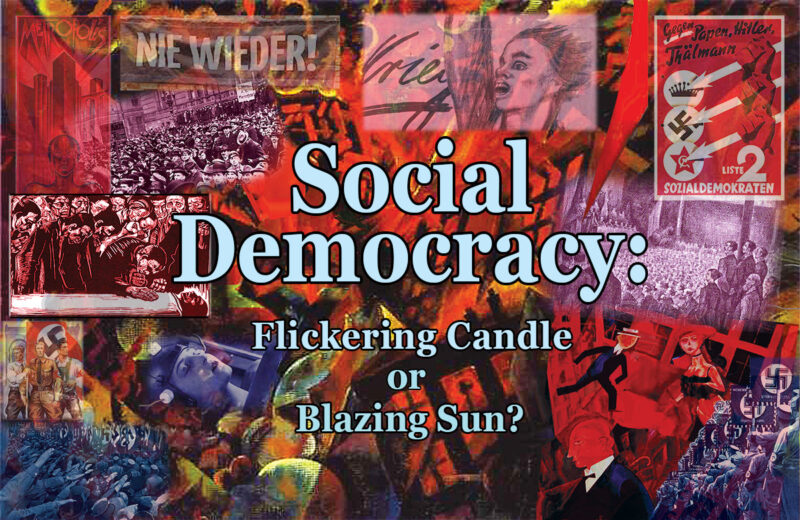
The history of Germany and Austria illustrates the hopes and achievements of social democracy as well as the shortfalls and failures. The first half of the 20th century was in both countries an era of peace-seeking and war-making when human hope and despair took every turn imaginable. What happened then has a bearing on our lives today, as we confront political power that has more than a passing resemblance to authoritarian regimes of the past.
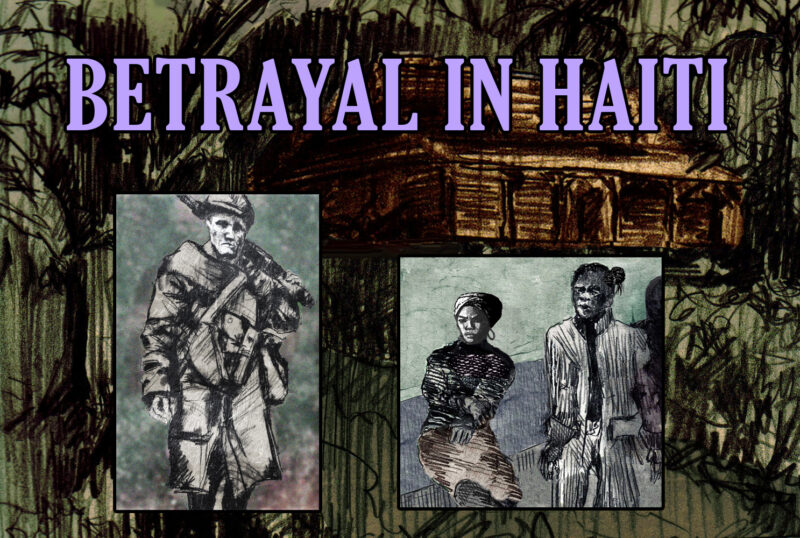
“Betrayal in Haiti” is a theatrical adaptation of Heinrich von Kleist’s novella, published in 1811, about the Haitian Revolution.

History of the Zionist movement, beginning with the First International Zionist Conference in 1897 and followed by Jewish migration to Palestine and the conflict with Arab Palestinians that remains unresolved today. See also this essay on "Hannah Arendt."
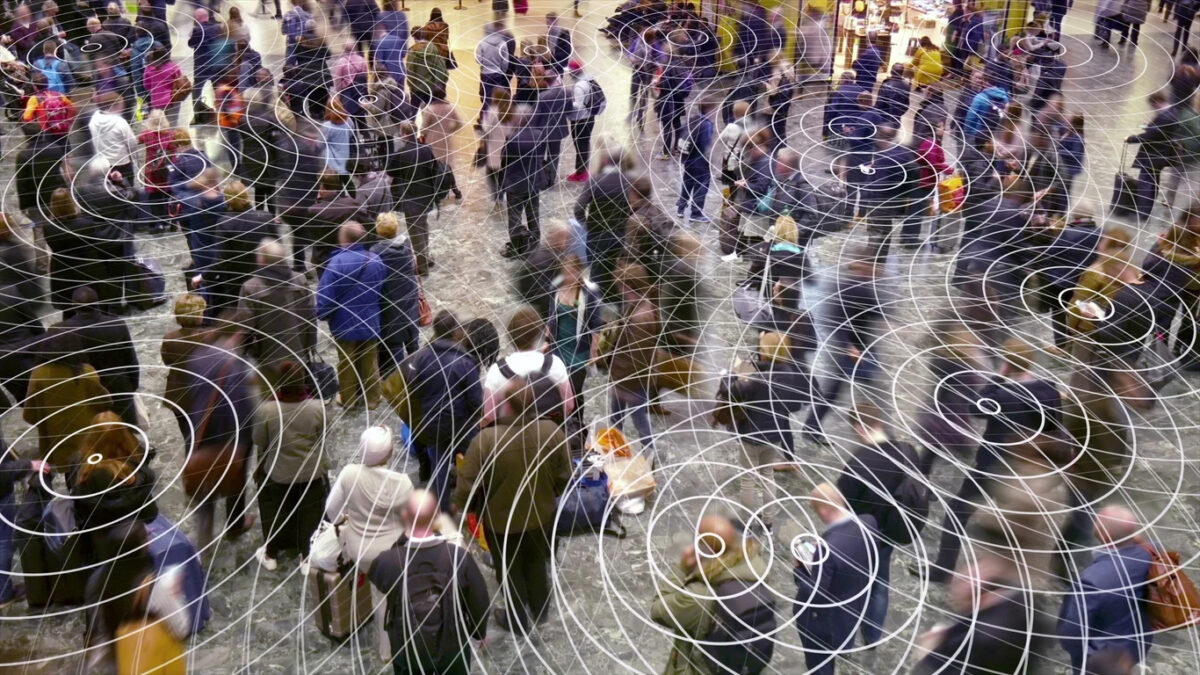
“WiFi Woes: The Rollout of 5G Re-awakens Wireless Fear” (2022). Will the use of mobile phone and other wireless technologies exact an increasing toll in illness and death due to the dense blanket of radiation covering the earth?

Hannah Arendt on the “Banality of Evil” and the Prospects for Peace in the Middle East (2013). See as well, "Zionism: A Historical Review."
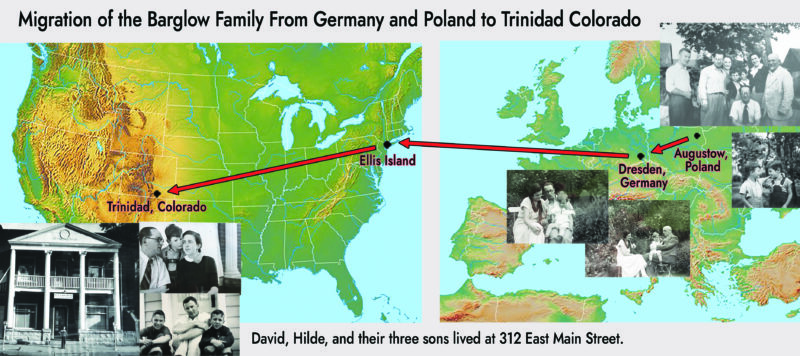
“Notes on the History of the Barglow Family in Trinidad Colorado” describes the journey of my family of origin, which fled from fascism in Europe and found a new home in a town in Southern Colorado.

"Through a Glass Darkly: How Visual Persuasion Deceives" (2020)

“Winning the Vaccination War in California” (2017). In 2015, California bill SB 277 sought to eliminate the personal belief exemption that allows unvaccinated children to attend school. This proposal elicited a storm of libertarian, religious, and legal objections. The debate lasted for over four months and received more media coverage than any other legislative conflict in the state's recent history.

"The Quest for Meaning in Science, Religion, and Ethics" (2013). Science can tell us what is, while ethics is about what ought to be. What relationships connect these two pursuits? I ask this question in another essay as well, "Medicine at the Millenium."

"Illness and Innocence" (2014). “You have the flu? Why? Have you been eating well, taking the right vitamin supplements, keeeping your stress level down and your immune system up? Have you perhaps separated yourself from God, spirit, or good karma?” Much religious and psychological "wisdom" views illness as a form of punishment.
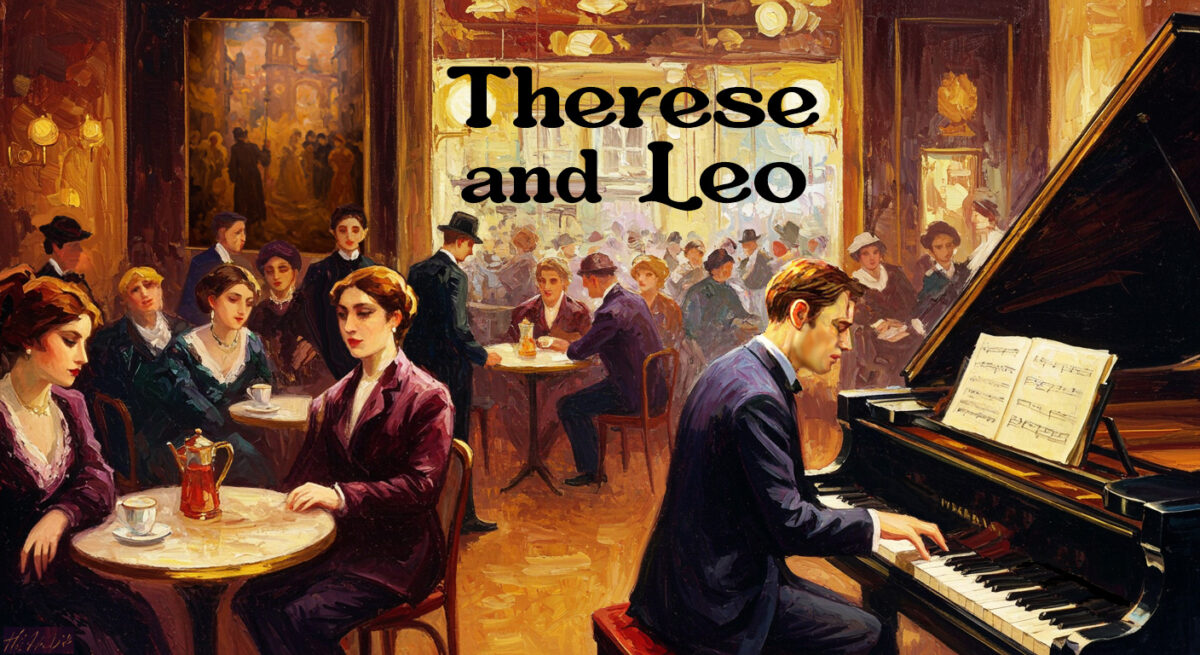
A theatrical adaptation of Arthur Schnitzler’s 1908 novel The Road Into the Open, exploring life in Vienna during the last years of the Austro-Hungarian Empire. Featured are the experiences of the city’s Jewish inhabitants, including their fiery debates about assimilation, identity, and Zionism.

A theatrical presentation about Ukraine, reviewing the country's history from the famine in the early 1930s to the Maidan Revolution in 2014 and the pursuit of self-determination today.

“Cataract Surgery Blues” -- Human sight isn't just biophysical, dependent on light rays, a lens, a retina, etc. It’s a psychological and historical affair as well.
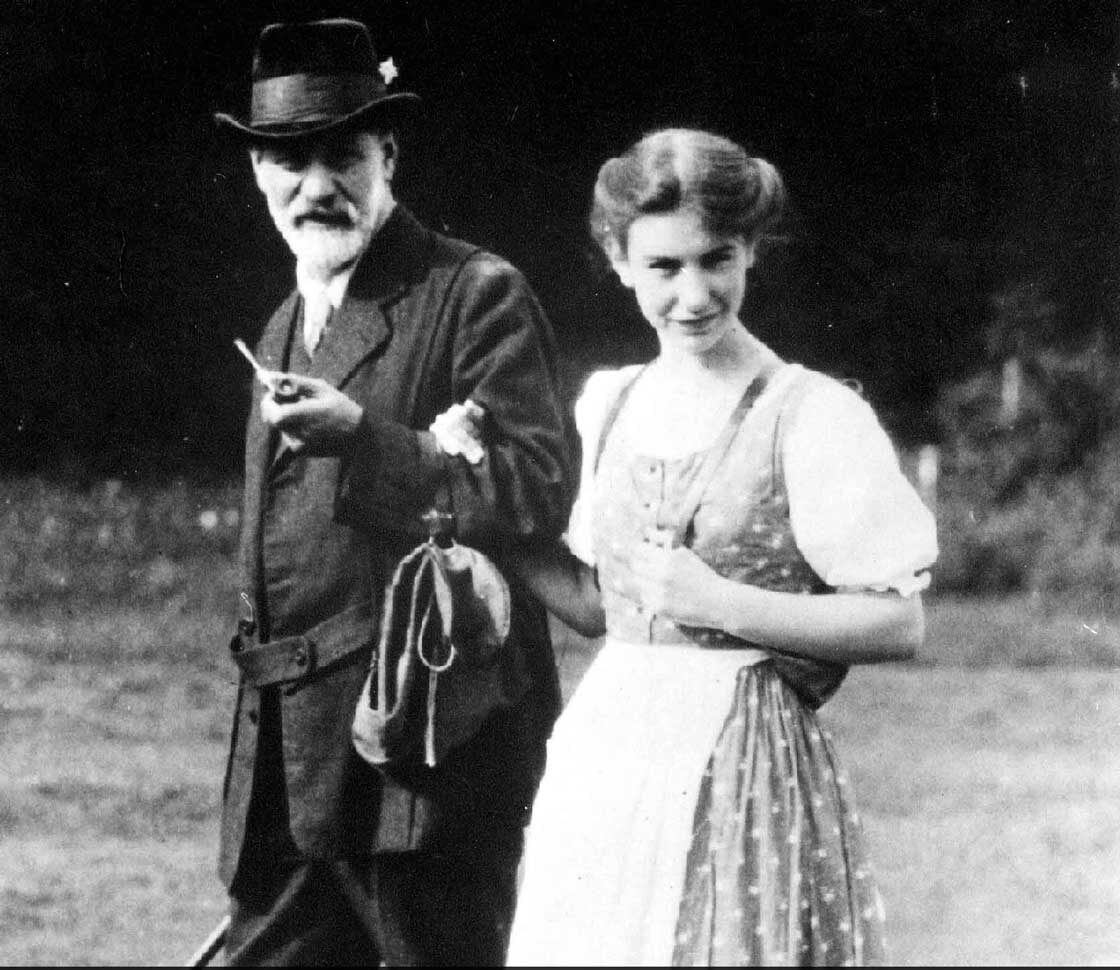
"Sigmund Freud, Anna Freud, and the Skeptical Humanist Tradition" (2017). The ideas of Sigmund Freud have been debunked as a misunderstanding of human nature and relationships. The pioneers of the "talking cure" inaugurated, however, a valuable exploration. Since 1900, understanding of human psychology has evolved as profoundly as physics or biology.
A theater piece about the life and times of my mother Hildegard, who was an actress on the German stage before emigrating to this country in the late 30s. Two staged readings of this play were held in the synagogue in Dresden Germany in 2006. See also this History of the Barglow Family.

"The Scret Life of Plants" (2010). Do we misunderstand the myriad forms of life when we perceive intentionality and design in them?
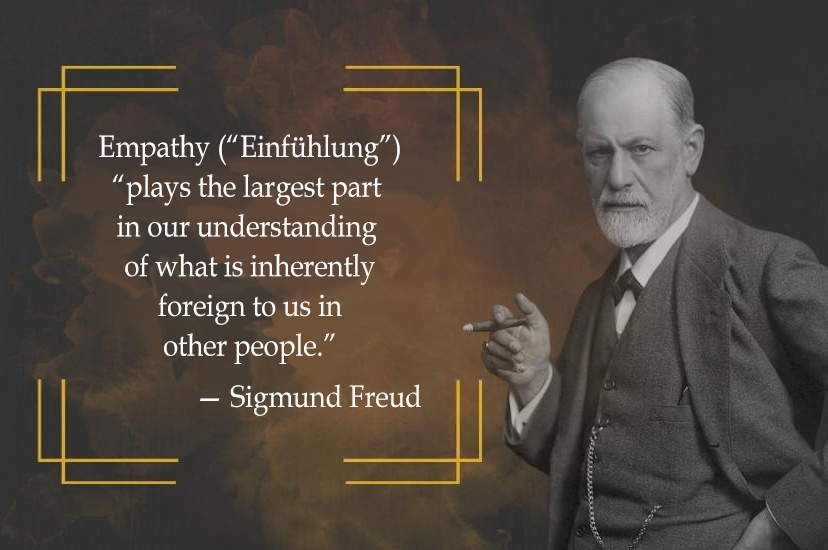
"Empathy as a Method of Rational Inquiry" (2025)
A website I built for the local Democratic Party club I belong to.
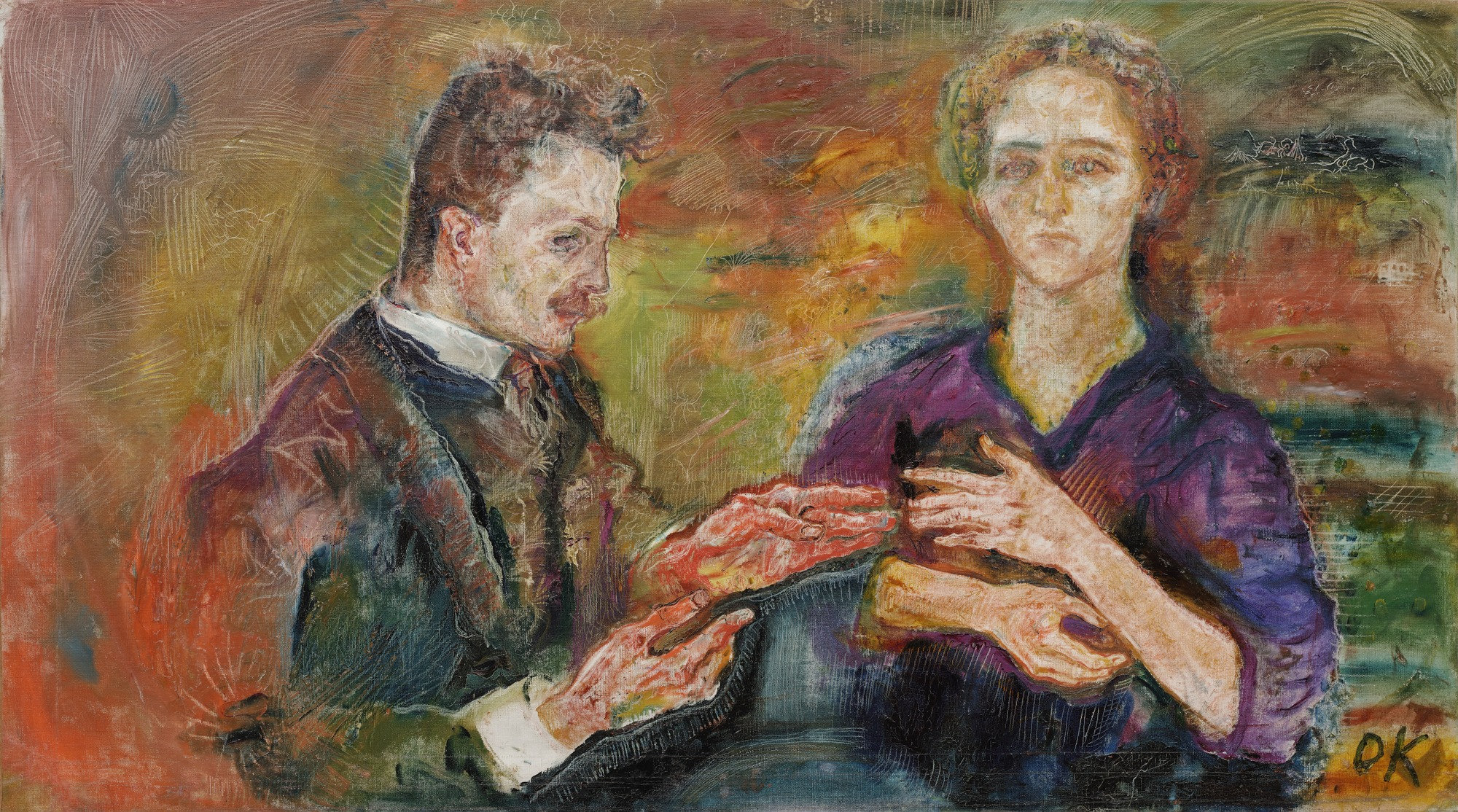
Art and Science in Vienna 1900: Harmonious or at Loggerheads?
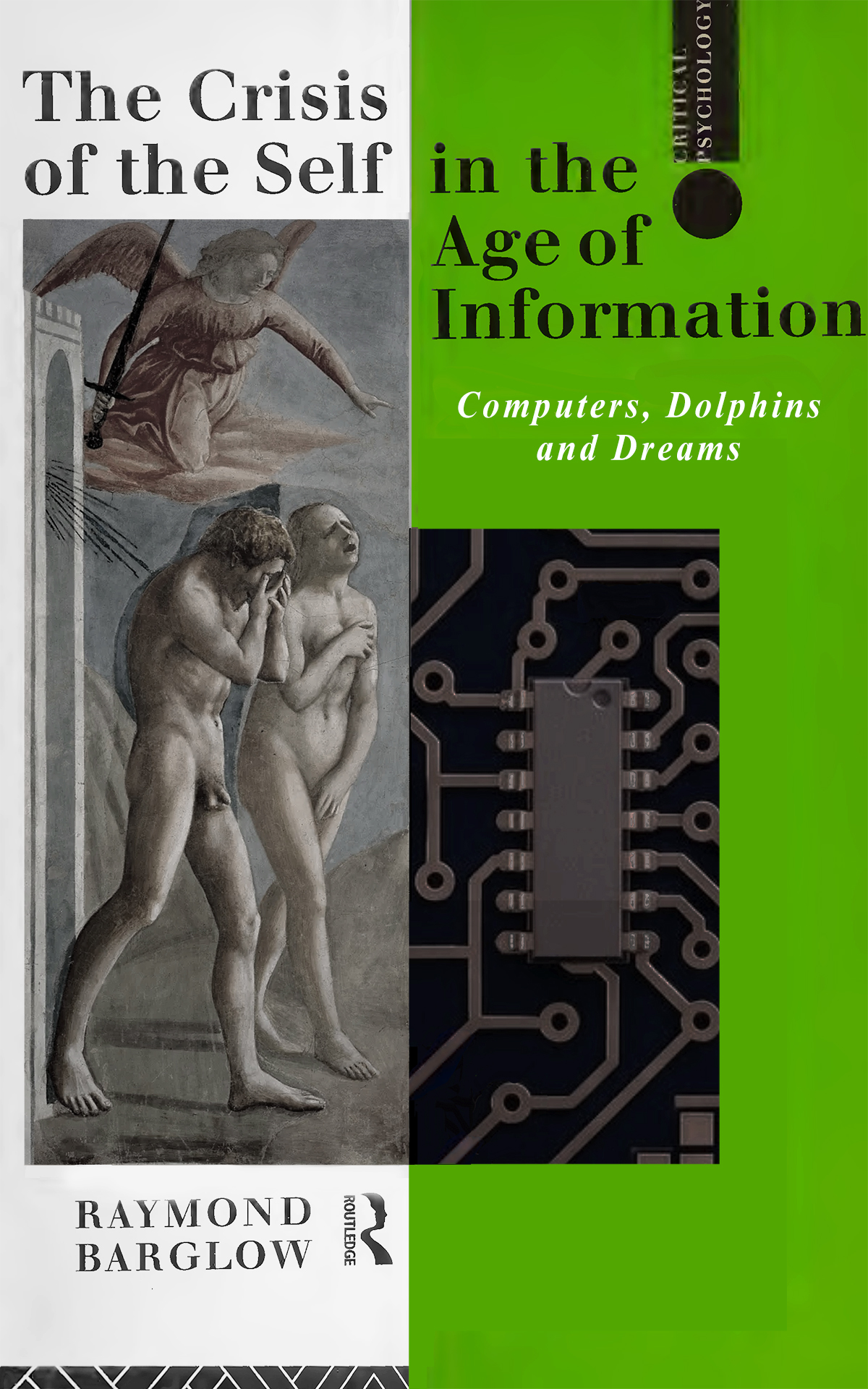
In this book, published in 1994, I made much of the following irony: although information technologies amplify human powers in certain ways, they also subvert the traditional Western concept of the separate and independent subject. Or so it seemed to me at the time.
I reflect on the cultural influence of technology also in the essay, “Buddhists Armed with Apples.”
California voters passed Proposition 71, which funded the “California Stem Cell Research and Cures Initiative” in 2004, and reaffirmed support in 2020. Religious faith collided with science when Roman Catholic and conservative Protestant organizations, opposed to embryonic stem cell research, launched lawsuits to halt implementation of this legislation. Their opposition was eventually defeated in court.

“Radically Wrong in Berkeley” (2017). Mario Savio, a student at UC Berkeley and leader of the Free Speech Movement in 1964, said that “Freedom of speech is something that represents the very dignity of what a human being is. … That’s what marks us off from the stones and the stars…. It is the thing that marks us as just below the angels.” This view has not weathered well in Berkeley in recent years.In the 1960s, our campus activism was inspired by the Civil Rights Movement. I've written about Martin Luther King here.